JDM engines and the low-mileage myth: what holds up and what doesn’t

11 Views
The usual pitch for JDM engines goes like this: Japanese drivers barely use their cars, a brutal inspection system forces them off the road early, and so the engines that land in American shops are practically new. Parts of that story are true. Other parts get repeated so often that nobody checks them anymore, and buyers pay for the gap.
Here is what holds up, what doesn’t, and what actually decides whether a Japanese-market engine is a good buy.
Myth one: shaken makes every old car worthless
Japan’s vehicle inspection, called shaken, is real and it is expensive. A new private passenger car gets a three-year first certificate, then has to be re-inspected every two years. Owners commonly pay somewhere around ¥100,000 to ¥200,000 per renewal once mandatory insurance, weight tax and the garage’s labor are added up, and the bill tends to grow as the car ages and needs more work to pass.
That cost structure does push a lot of perfectly healthy cars into the export and dismantling chain long before an American owner would think about replacing them. It is the main reason a steady supply exists at all, and it is why sellers such as Dallas-based Texas JDM Motors can stock jdm engines with documented mileage under 65,000 for common Toyota, Honda, Nissan and Subaru applications.
But “forced off the road” is too strong. Plenty of Japanese owners keep renewing shaken for a decade or more. Some donor cars were retired because of a crash, a flood, or a mechanical fault. The inspection explains the volume. It does not guarantee the condition of the specific unit on the pallet in front of you.
Read More: Selecting the Right Generator Size for Home Refrigerators and Freezers
Myth two: low mileage means low wear
Mileage is the number everyone asks about, and it is the least informative one on its own.
Think about how a lot of those cars were driven. Short trips in dense cities. Long idles in traffic around Tokyo or Osaka. Engines that rarely reached full operating temperature before being shut off again. A 50,000-kilometer engine that spent its life on cold starts and five-minute errands can carry more sludge and ring wear than a 90,000-mile highway commuter from Ohio.
And the figure itself is usually read from the donor car’s odometer at the dismantling yard. Reputable exporters record it carefully. Less careful ones estimate. So a buyer should treat mileage as one data point among several, alongside a compression or leak-down result and a look at the oil.
Myth three: a JDM engine is identical to the one your car left the factory with
Often it is close. Sometimes it is not.
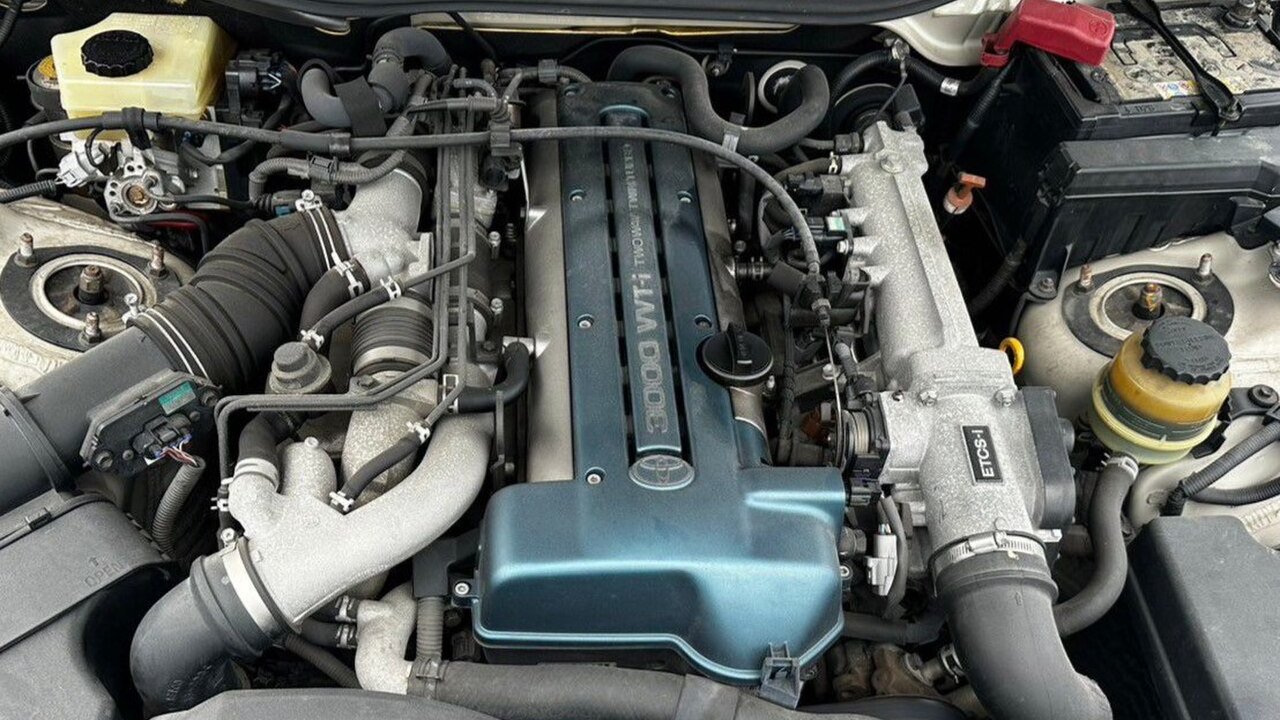
Japanese-market versions can differ in ECU calibration, emissions hardware, sensor placement and, on some performance engines, internals and output. Honda’s K20A in the Japanese Civic Type R made more power than the K20A2 sold in Europe and in the American RSX Type-S. Toyota’s 2JZ-GTE came with different turbo and management setups depending on the year and market. For a swap builder those differences are the whole point. For someone replacing a blown engine in a daily driver, they can mean extra wiring, a reused harness or sensor, and a long afternoon with the service manual.
Emissions rules matter here too. In California, an engine change has to keep the vehicle at the same or a newer, cleaner certification level, and a referee inspection is part of the process. Other states are looser, but “it bolts in” and “it is legal in my state” are separate questions.
What actually separates good JDM engines from bad ones
Strip away the folklore and three things are left. First, the seller’s testing: a compression or leak-down figure for each cylinder tells you more than any odometer reading. Second, the paperwork, meaning a written warranty, a return window, and clear terms on what is included, such as intake, alternator or wiring. Third, fitment by engine code and VIN rather than just year, make and model, because Japanese model years and US model years do not always line up.
Read More: The Future of Runflat Tires: Innovations and Trends
It also pays to ask why the donor car was retired. A seller who can say “rear-end collision, engine bay untouched” is giving you something useful. A seller who answers every question with “low miles, runs great” is not. Ask what comes with the engine, too. Some units ship as a long block with the intake and accessories, others arrive stripped, and the difference can add several hundred dollars in parts to the job before it is finished.
The supply that shaken creates is real, and it keeps prices well below a new crate engine for most Japanese cars. The rest of the pitch deserves a raised eyebrow. Buy the test results and the warranty, not the legend.